Ξυλινες παλέτες
Ιστορική αναδρομή
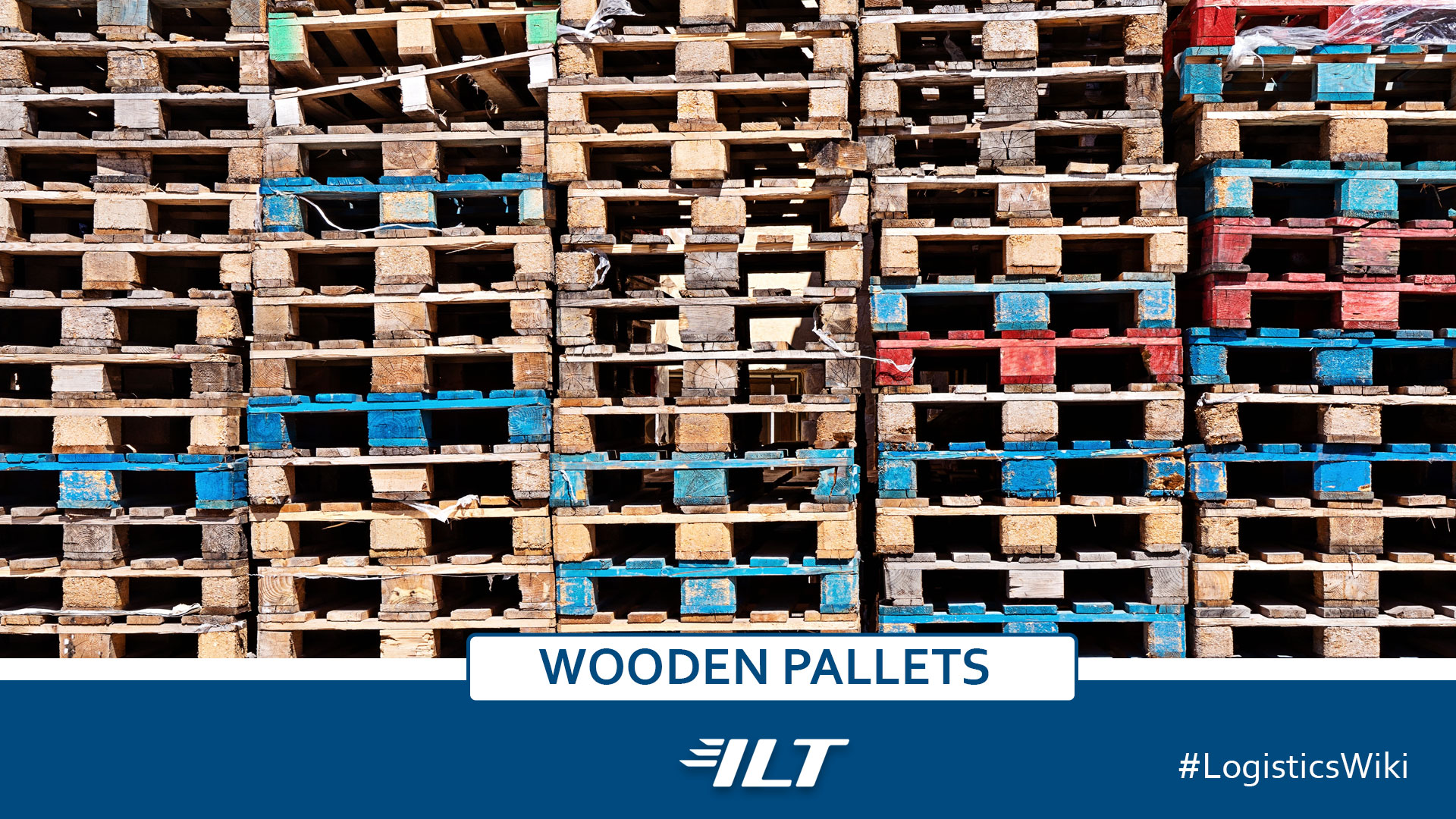
Pallets are flat structures used for transportation and storage of goods. The history of wooden pallets is relatively modern, linked to the development of mechanical handling. Below we provide a short history on the use of pallet
- Pre-20th century: Before the invention of the pallet, barrels, kegs, and crates were commonly used for transportation, but these methods were inefficient and required a lot of manual labor.
- Early 20th century: The modern pallet was born in the early 20th century, around the time of World War I. However, the use of skids, similar but without the bottom deck boards, predates the actual pallets and has been documented as early as the 1st millennium B.C. The design of these early pallets was quite simple, they were just a platform on which goods could be stacked.
- World War II: The use of pallets increased significantly during World War II. This was largely due to the war economy's necessity for efficient handling and storage of goods. The U.S. military was a significant early adopter and promoter of pallets, and their use helped to dramatically improve the efficiency of shipping and logistics during the war.
- Post-World War II: After World War II, pallet use continued to grow, spurred on by the growth of forklift technology and the spread of consumer goods in the mid-20th century. The two innovations went hand in hand, as the use of the forklift made the pallet a practical necessity.
- Late 20th and 21st century: Pallets have become ubiquitous in warehouses and transport systems around the world. Standardization of pallet sizes and designs has been a trend, especially with the introduction of the EUR-pallet in Europe in the 1960s. Pallet pooling systems have also developed, allowing users to 'rent' pallets and then return them, spreading the cost over many users.
Despite being a seemingly simple technology, the wooden pallet has had a significant impact on global trade and logistics. Today, there are billions of pallets in circulation worldwide, with the majority still being made of wood due to its combination of low cost, strength, and recyclability. However, plastic and metal pallets are also in use, each with their own advantages and disadvantages.